Usine de fabrication d'adhésif pour carrelage
Complete Production Lines for Tile Adhesive, Tile Glue and Cement-Based Dry Mortar
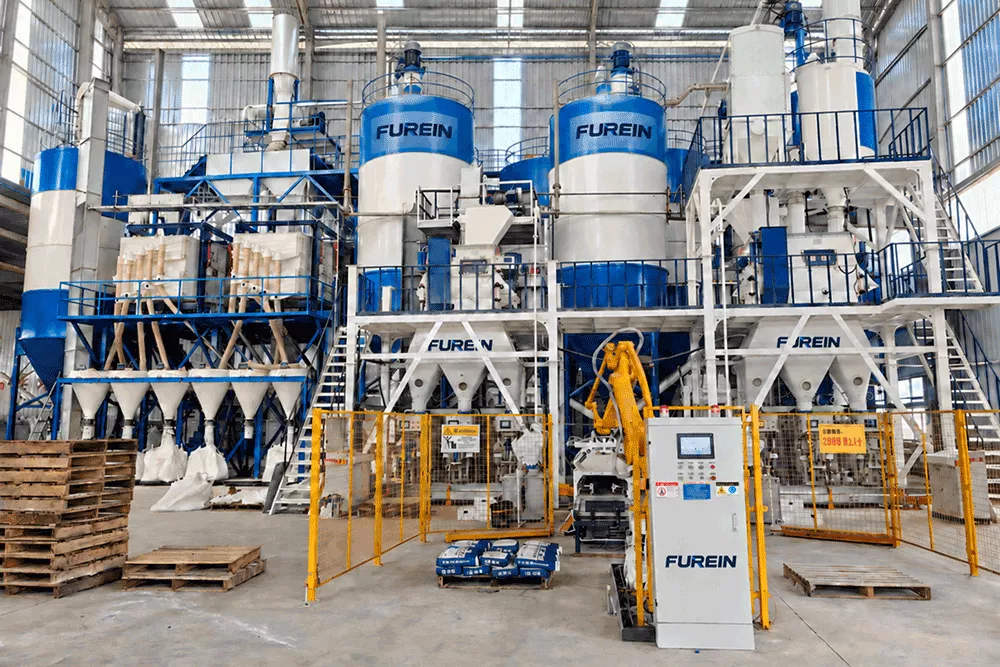
FUREIN designs and manufactures complete tile adhesive production lines for medium and large-scale production. From raw material storage, automatic weighing and chemical additive dosing to mixing, packing and palletizing, each plant is configured according to your formula, capacité requise, factory conditions and automation level.
5–30+ T/H
Flexible Capacity
Automatic Batching
Accurate Formula Control
Micro Additive Dosing
Complete Process
Emballage & Palettisation
Turnkey Engineering
What Is a Tile Adhesive Manufacturing Plant?
A tile adhesive manufacturing plant is a complete production system used to store, weigh, dose, mix and pack cement, dried sand, fillers and chemical additives according to a preset formulation.
Unlike a compact tile adhesive making machine, a complete plant usually includes raw material silos, dosage automatique, additive dosing, high-efficiency mixing, finished product storage, dépoussiérage, packing and optional palletizing systems. It is designed for customers who need higher production capacity, better automation and more stable batch consistency.
Looking for a compact 1–10 T/H solution?
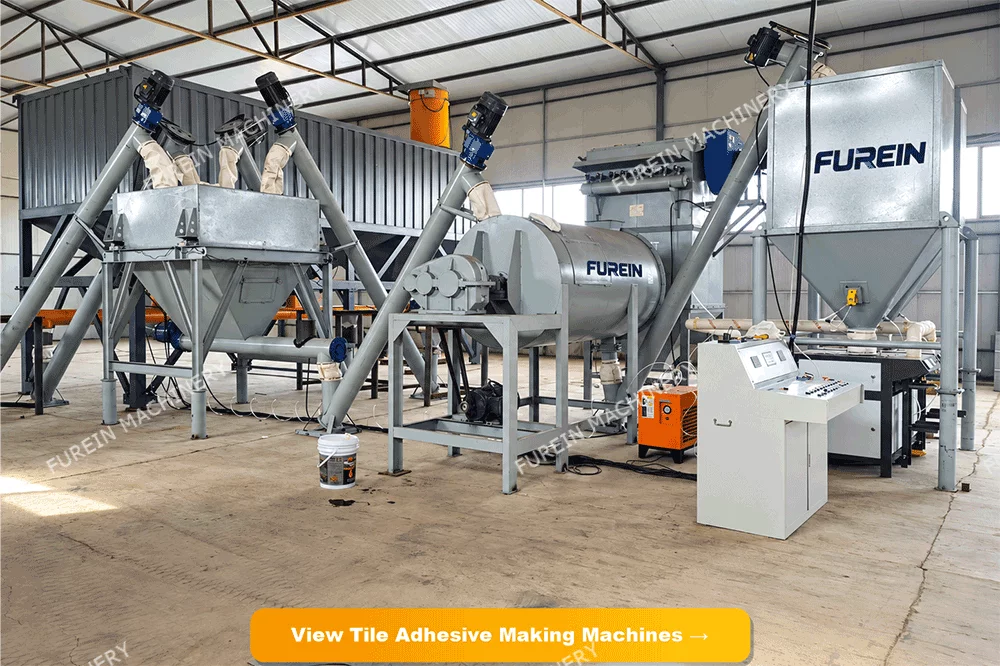
Choose Your Tile Adhesive Production Line
En tant que fournisseur professionnel d'usine de fabrication d'adhésif pour carrelage, nous adhérons toujours à une croyance constante: qualité de première classe, service professionnel, technologie de pointe. Cela nous a aidé à obtenir beaucoup de clients réguliers, et ici, we'll show you how to choose the right tile adhesive manufacturing plant.
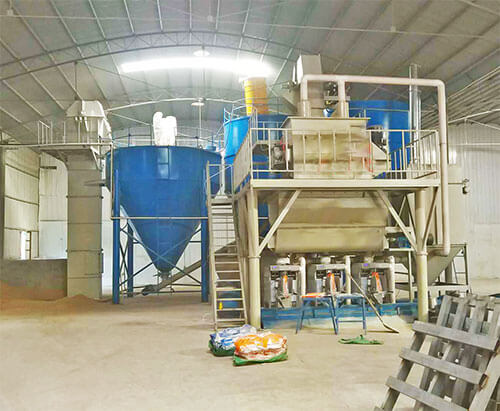
Usine de fabrication d'adhésif pour carrelage semi-automatique
A practical solution for medium production volumes. The plant can include semi-automatic raw material feeding, a double-shaft mixer and valve bag packing machine.
| Capacité | 5-10t/h Tile Adhesive Production Line |
|---|---|
| Modèle de mélangeur | Malaxeur d'adhésif pour carrelage à double arbre |
| Puissance du mélangeur | 5.5-15kW |
| Système de contrôle | Semi-automatique avec armoire de commande électrique |
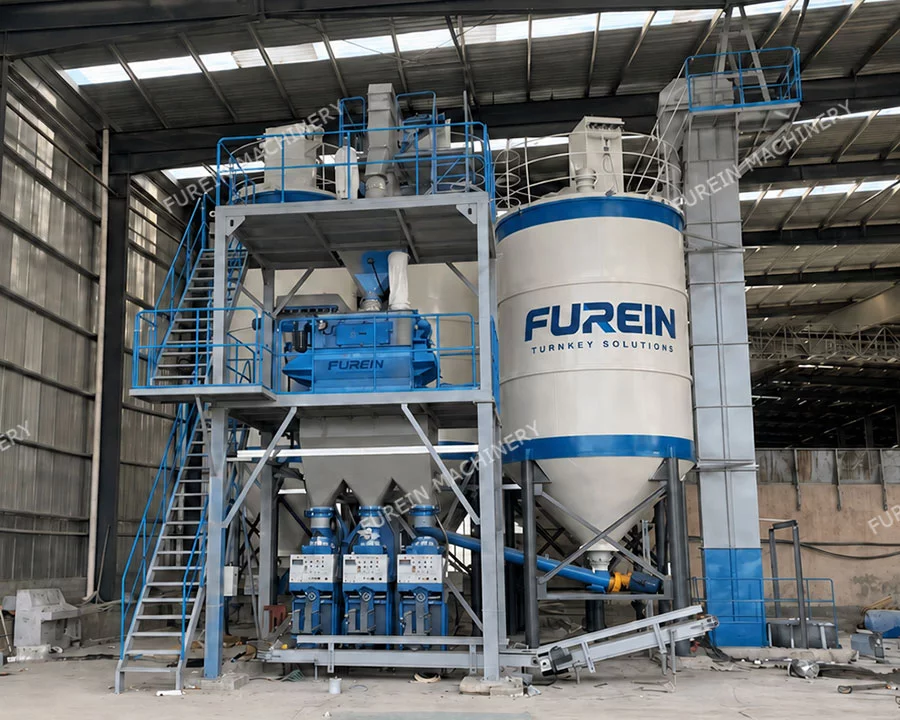
Medium Automatic Tile Adhesive Plant
Designed for continuous commercial production with multiple raw materials, automatic batching and higher packaging efficiency. The system can be configured to produce tile adhesive together with wall putty, skim coat and other cement-based dry mortar products.
| Capacité | 10–20 T/H Automatic Tile Adhesive Plant |
|---|---|
| Modèle de mélangeur | Malaxeur d'adhésif pour carrelage à double arbre |
| Pouvoir total | 45-65kW |
| Système de contrôle | Automatic weighing and packing with PLC contol |
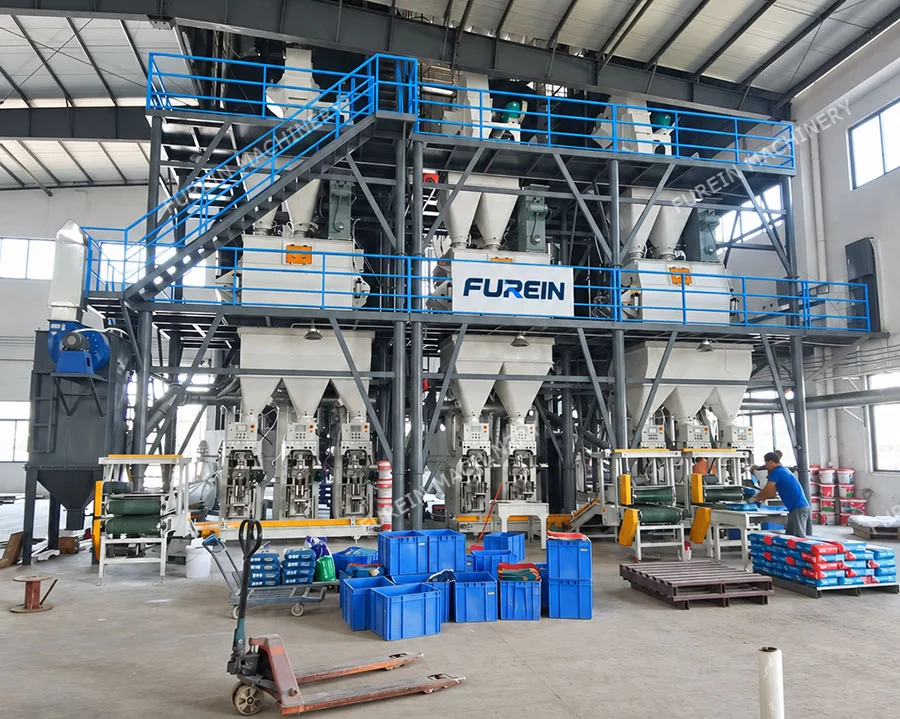
Large / Tower-Type Tile Adhesive Manufacturing Plant
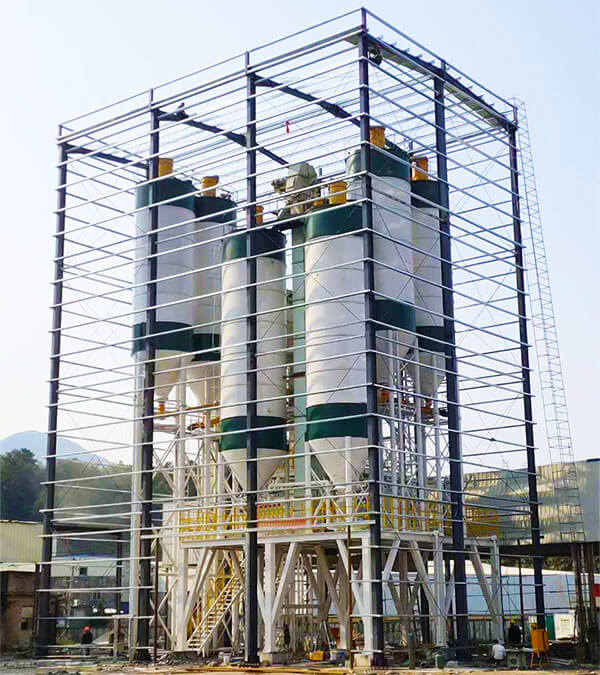
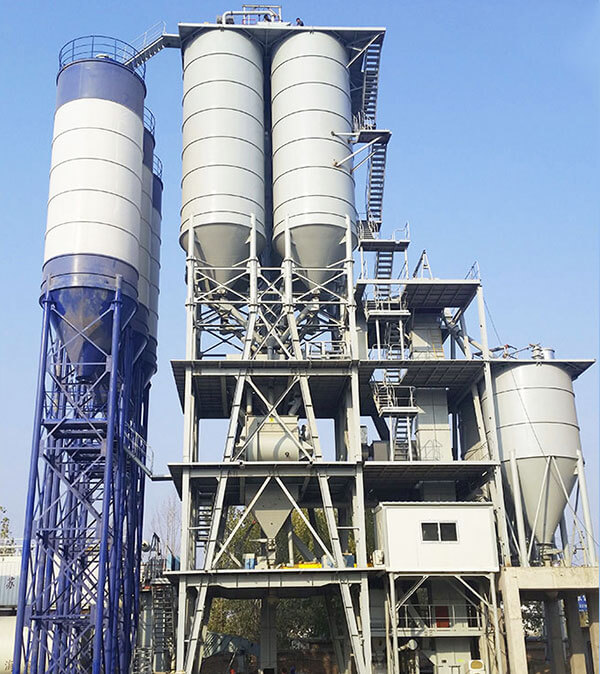
A vertically arranged plant for higher output and greater automation. Raw materials flow through storage, pesée, mixing and packing sections with fewer intermediate transfers, making the system suitable for industrial-scale production.
| Capacité | 20–30+ T/H Tower-Type Tile Adhesive Manufacturing Plant |
|---|---|
| Modèle de mélangeur | M3000, M4000 |
| Puissance du mélangeur | 20-30kW |
| Système de contrôle | Fully automatic with PLC control system, all in one. |
Which Plant Is Right for You?
| Project | 5-10 E | 10-20 E | 20-30E |
|---|---|---|---|
| Best for | Growing producers | Commercial factories | Industrial production |
| Main material feeding | Automatic | Automatic | Fully Automatic |
| Additives Dosing | Manuel / Optional | Semi /Automatic | Automatic micro-dosing |
| Mixer | Double shaft mixer | Zero-gravity mixer | Industrial paddle mixer or plough mixer |
| Emballage | 1-2 packing machines | 2-3 packers | Multiple packing lines |
| Palettisation | Optional | Optional | Recommended |
| Factory height suggestion | 6-10m | 10-15m | 13-20m |
| Automation | Moyen | High | High |
Not sure which configuration fits your project? Start with your target capacity, products and factory dimensions.
Complete Tile Adhesive Manufacturing Process
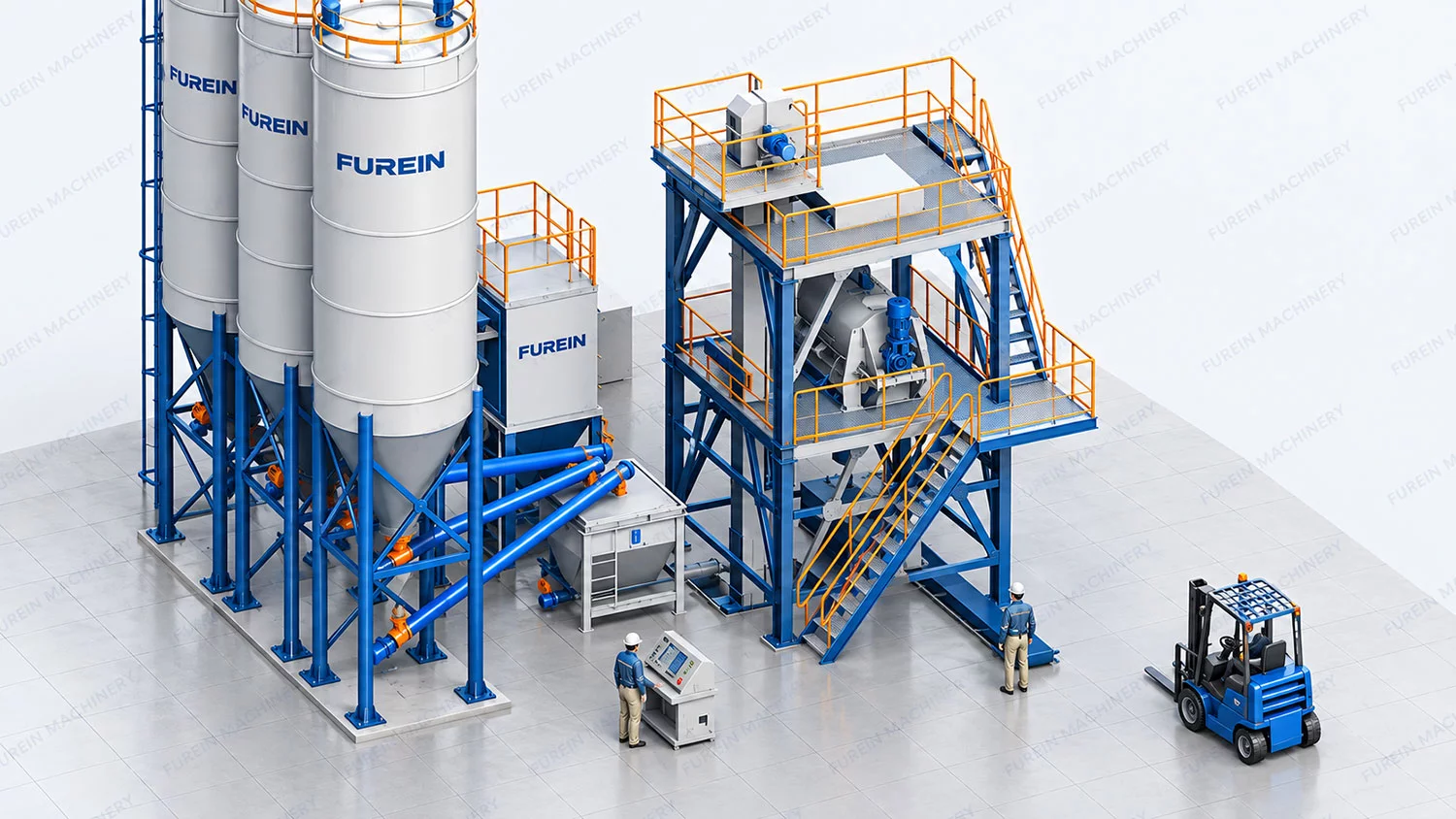
L'usine de fabrication de colle à carrelage utilise généralement 3-6 silos de matières premières, où deux grands silos sont utilisés pour contenir des matériaux tels que la poudre de calcium, et le reste des petits silos sont utilisés pour contenir du calcium léger, calcium lourd, le sable, petits matériaux, etc. Calcium léger, calcium lourd, le sable, petit matériel et ainsi de suite besoin d'utiliser un élévateur à godets dans le petit silo, système intelligent de distribution de matériau pour prendre en charge une opération de type distribution d'élévateur à godets, afin d'éviter le gaspillage des ressources.
Le système de pesée, avec la coopération du convoyeur à vis, transfère les matières premières du silo dans la trémie de pesée, et réalise la pesée des matières premières grâce à la remontée de données du capteur. Le matériel du puits de pesée, à travers le guide du convoyeur à vis dans la machine à godets principale, ascenseur vers le malaxeur de mortier sec à mélanger dans le silo. Le malaxeur à mortier sec est un type à porte ouverte pneumatique, qui peut rapidement mettre les matériaux à mélanger dans le mélangeur en apesanteur pour réaliser la production continue de colle à carrelage.
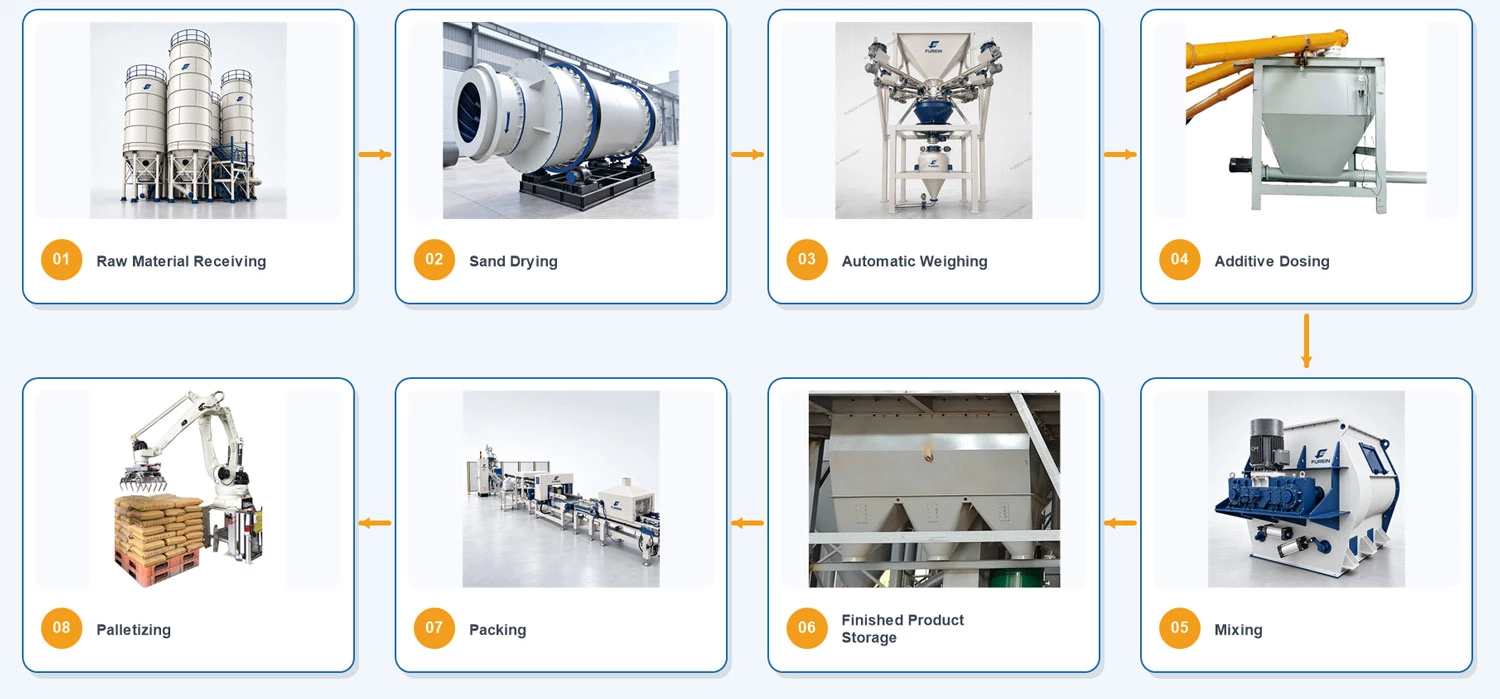
Pièces principales de la machine de fabrication d'adhésif pour carrelage automatique
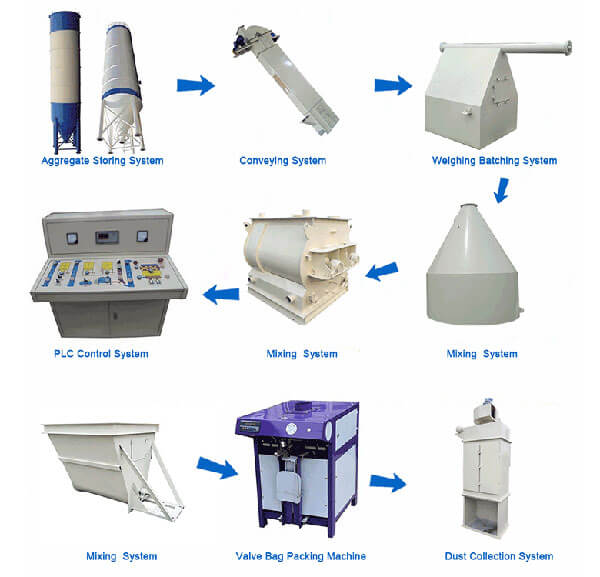
1. Silo de stockage de matières premières
Machine de fabrication d'adhésif pour carreaux de céramique pour le stockage de grandes matières premières, utilisent généralement la conception du réservoir, en utilisant l'alimentation par camion-citerne. Lors de la construction du projet, seuls deux petits réservoirs de stockage de matières premières sont nécessaires pour stocker de petites matières premières.
2. Système de dosage et de pesée
Il est composé d'une balance à trémie, dragon d'inondation, dispositif de décharge, dispositif d'ajout de micro-matériau et système de commande par ordinateur. Selon la formule, il peut s'agir de différentes mesures automatiques de matières premières, réduire l'intensité du travail et la pollution de l'environnement, assurer également la qualité du produit de la colle pour carreaux de céramique.
3. Malaxeur à mortier sec
Il existe de nombreux choix de mélangeurs de colle à carrelage, tel qu'un mélangeur à bande nue à trois couches, mélangeur de charrue, malaxeur à mortier sec à double arbre, etc.
Les exigences du malaxeur de colle pour carrelage sont un mélange uniforme, pas d'angle mort, haute efficacité, équipement résistant à l'usure, vitesse de déchargement rapide.
Il est recommandé d'utiliser un malaxeur à double arbre en apesanteur, qui est le mélangeur de poudre sèche le plus populaire.
Le mélangeur de charrue est plus adapté au mélange de matériaux fibreux et de liquides.
Il existe deux types de sacs d'emballage: sacs ouverts et sacs à valve. En cours de fabrication de colle à carrelage, la machine d'emballage de port de valve est utilisée plus, Il ne nécessite pas de couture, seulement besoin d'une opération d'une seule personne, mais cette machine d'emballage ne convient pas à l'emballage de matériaux légers, le coût du sac est légèrement plus élevé, mais la vitesse d'emballage est rapide.
Utilisé pour récupérer la poussière dans la machine de fabrication de coulis de carrelage, bon pour la protection de l'environnement. Il est généralement situé au sommet du silo à ciment, le port d'alimentation de l'élévateur à godets, le port d'emballage de la machine d'emballage, etc.
6. Structure de convoyage et de levage
Le transport des matériaux dans la chaîne de production est: transport horizontal et transport vertical, le transport horizontal peut utiliser des convoyeurs à vis, le transport vertical adopte généralement élévateurs à godets.
Raw Materials for Tile Adhesive Production
Tile adhesive generally contains cement, dried graded sand, fillers and several low-ratio chemical additives. Because some additives represent only a small percentage of the total formula, accurate weighing and uniform distribution are important for consistent finished-product performance.
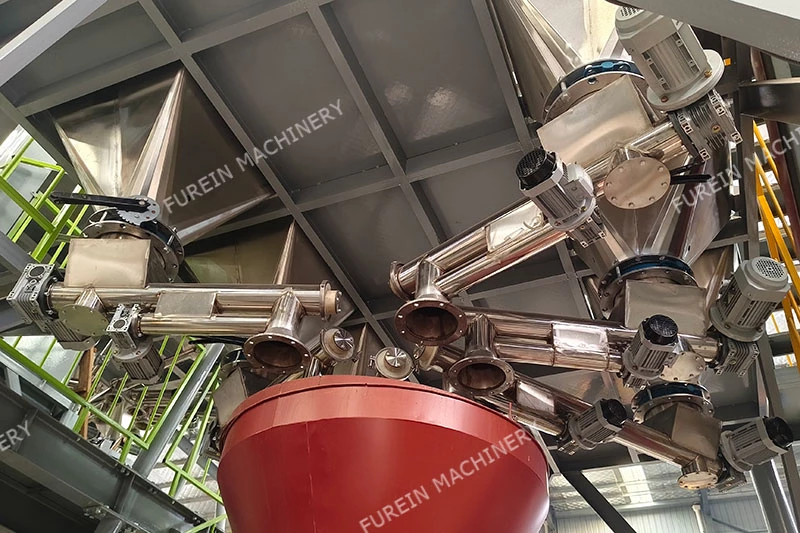
Why Additive Dosing Matters
In tile adhesive formulations, some additives are used at very low dosage levels. When the required amount is only a few kilograms per batch, even a small weighing error can create a relatively large percentage deviation.
For small tile adhesive plants, additives can be pre-weighed and added manually. This keeps the equipment simple and reduces the initial investment.
For medium and large automatic tile adhesive production lines, an automatic micro-dosing system can weigh and feed low-percentage additives according to the preset formula. This reduces manual dosing errors, improves batch repeatability and makes frequent recipe changes easier to manage.
Choosing the Right Mixer for a Tile Adhesive Production Line
The mixer should be selected according to the formulation, batch size and required mixing quality—not simply by choosing the largest motor or vessel.
Double-Shaft Paddle Mixer
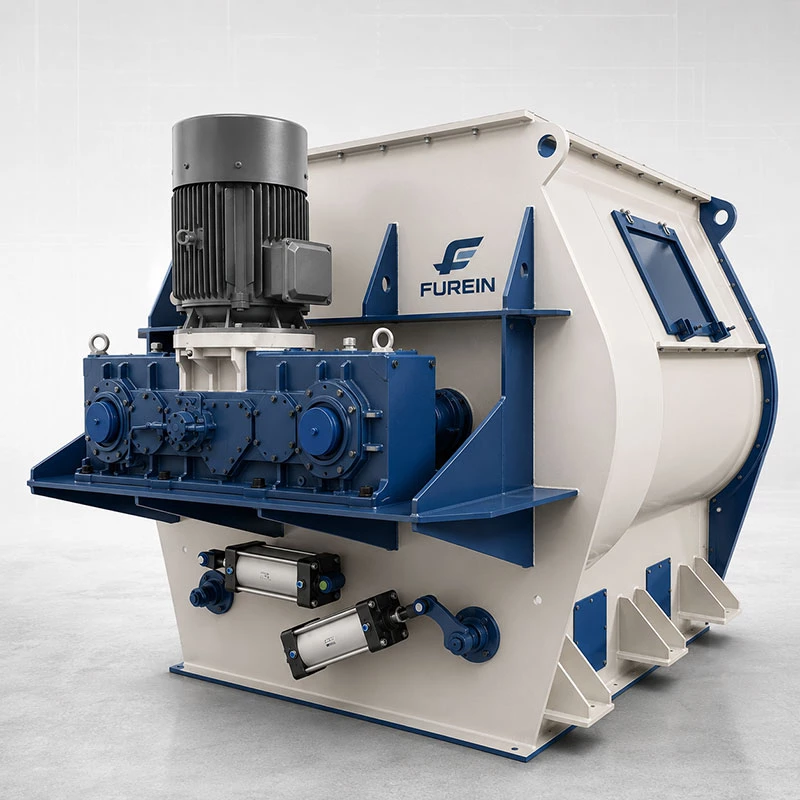
Suitable for most commercial tile adhesive plants because of its fast mixing speed, high uniformity and short discharge cycle.
Ploughshare Mixer
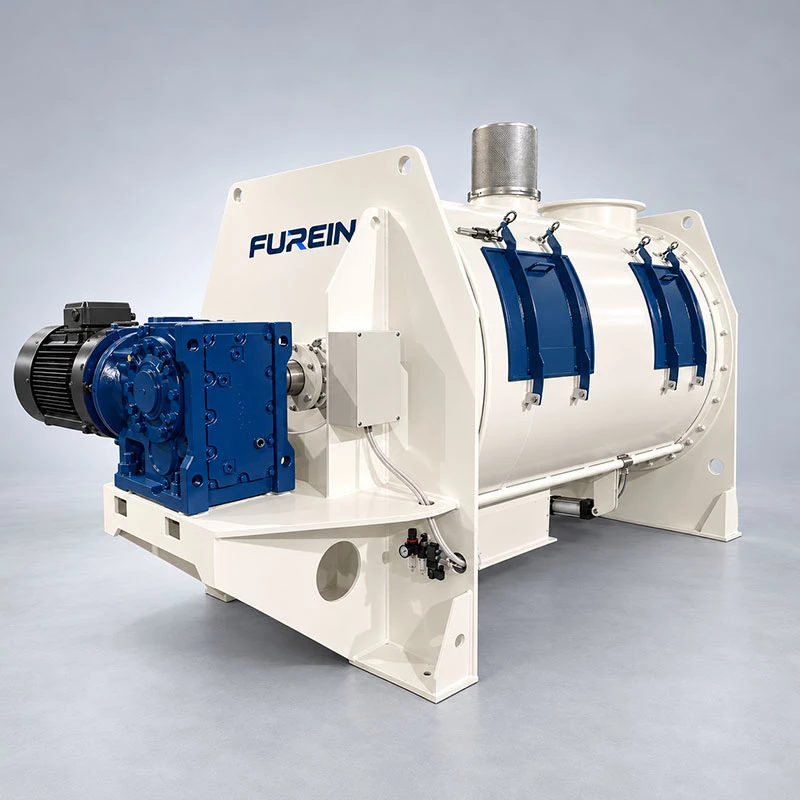
Recommended when the formulation contains fibers, liquids or materials requiring stronger dispersion.
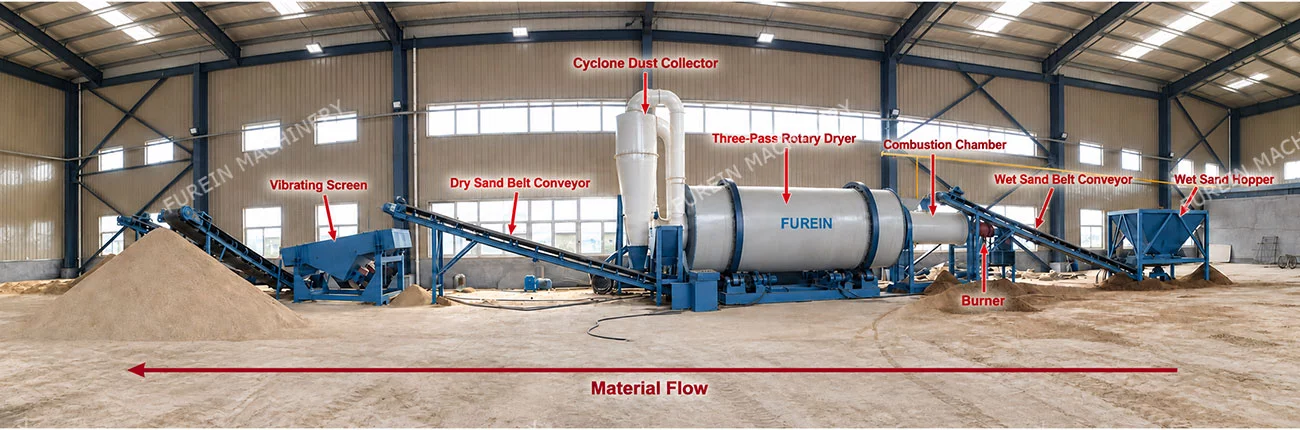
Do You Need a Sand Dryer?
Sand moisture and required dry sand output should be confirmed before dryer selection.
Purchased Dry Sand
No Dryer Required
If dry graded sand with stable moisture is available locally, the plant can be simplified and the initial investment reduced.
Wet Natural Sand
Séchage & Screening Required
If river sand or other wet natural sand is used, a rotary dryer and screening system are normally installed before the storage section. In a tile adhesive manufacturing plant, a sand drying line is required if the moisture content of the wet sand exceeds 0.5%.
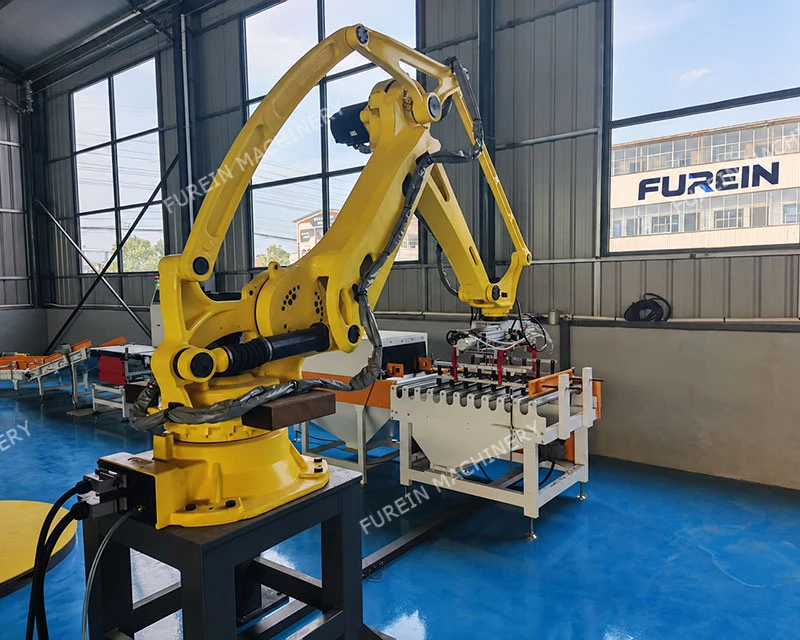
Dois-je choisir un palettiseur automatique?
En tant que carreau expérimenté fabrication d'adhésif fabricant de machines, nous vous conseillons de choisir un palettiseur automatique si votre débit est supérieur à 10t/h, ce qui augmente la productivité et réduit les coûts de main-d'œuvre. Cependant, pour assurer la qualité des produits, nous devons choisir un fournisseur fiable et nous demander conseil.
Every Tile Adhesive Production Line Design Starts with the Right Layout
Before equipment manufacturing begins, we review the required products, formules, plant capacity, matières premières, dimensions d'usine, automation level and local operating conditions.
Our engineers then prepare the production process, configuration des équipements et aménagement de l'usine. L’objectif n’est pas simplement d’intégrer toutes les machines dans le bâtiment. The tile adhesive plant layout should make material flow smoother, reduce unnecessary transfer, leave enough maintenance space and make future operation easier.
Conception de processus
From raw material receiving to finished bag.
2D / 3D Plant Layout
Designed according to actual factory dimensions.
Installation Planning
Positions, elevations and interfaces prepared in advance.
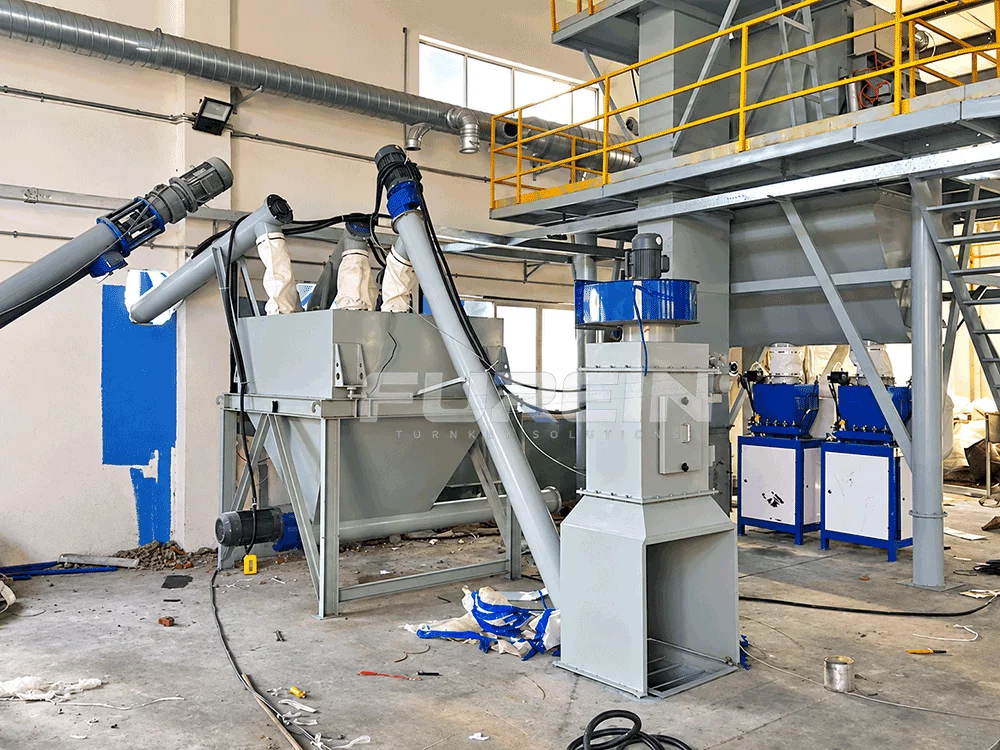
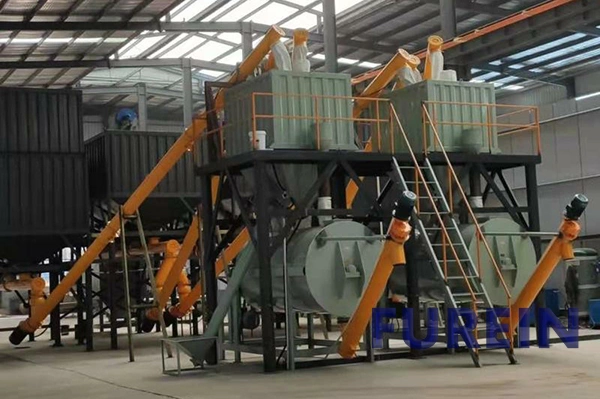
Tile Adhesive Plant Projects
- 8–Ligne de production automatique d’adhésif pour carrelage de 10 T/H au KoweïtCindy2026-09-22T15:08:47+08:00
- Mise à niveau personnalisée, Construisez votre ligne de production améliorée d’adhésif pour carrelageCindy2026-10-11T21:16:52+08:00
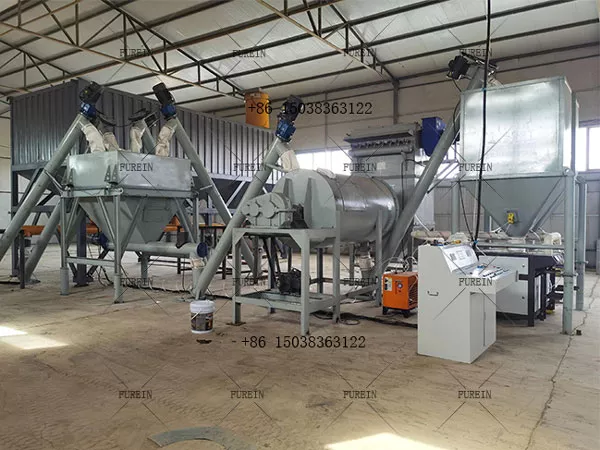
How Much Does a Tile Adhesive Manufacturing Plant Cost?
There is no single price for a complete tile adhesive plant because the final cost depends on the production capacity, number of raw material silos, mixer type, automation level, additive dosing system, sand drying requirements, packing method and plant structure.
Une tuile semi-automatique adhesive production line costs 8000-30000 USD.
Un entièrement automatique tile adhesive manufacturing plant costs 20,000-50,000 Dollars américains.
If you want to know more about the cost of tile adhesive manufacturing plant, you can keep reading the follow artical: Combien d'argent faudrait-il pour démarrer une ligne de production d'adhésif pour carrelage?
Dernières informations d'expédition de l'usine de fabrication d'adhésif pour carrelage
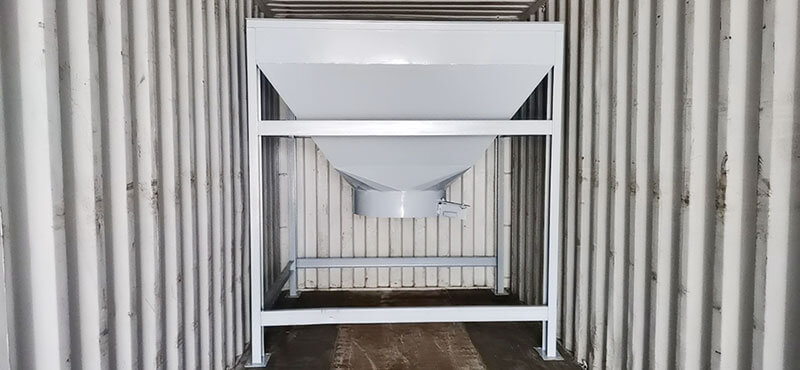
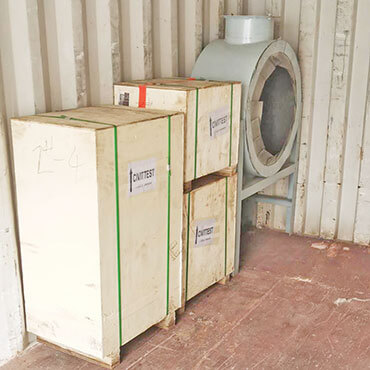
Usine de fabrication de colle à carrelage entièrement automatique expédiée au Paraguay
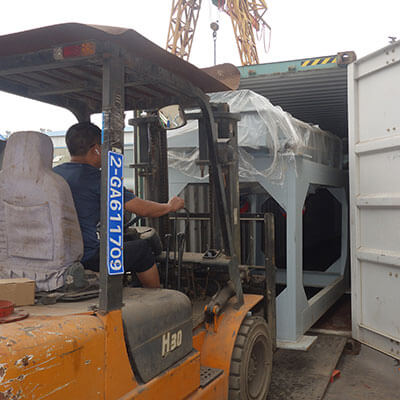
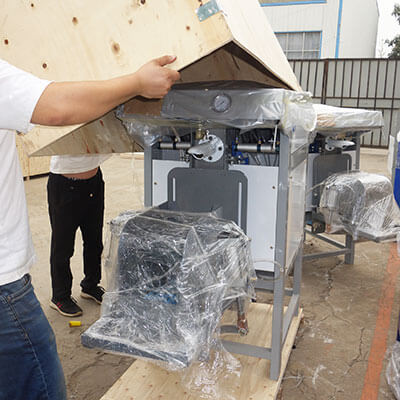
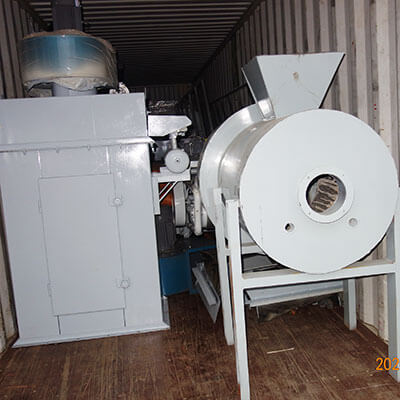
Dernier site de travail de la machine de fabrication d'adhésif pour carrelage
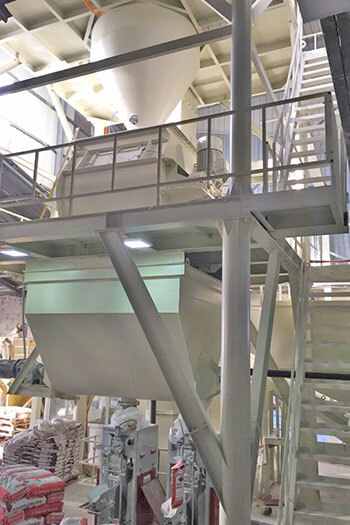
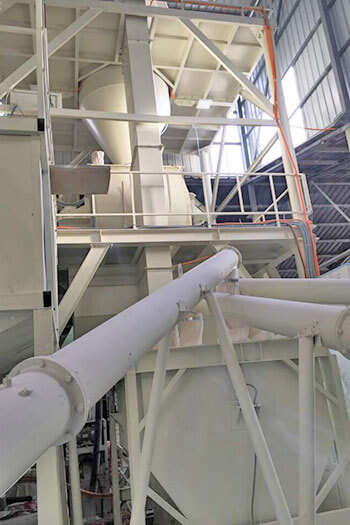
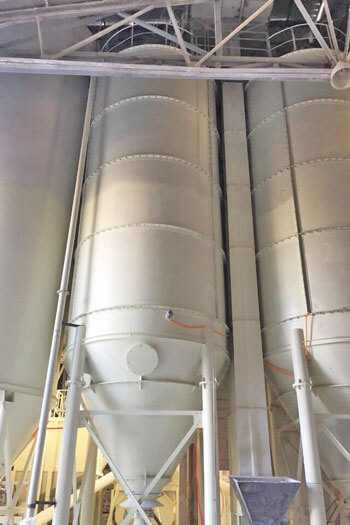
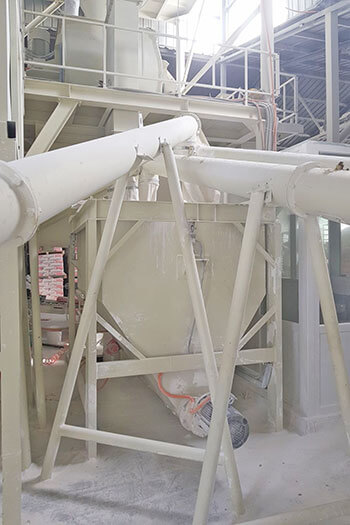
La production annuelle de l'usine de fabrication de colle à carrelage est de 200,000-600,000 tonnes. Parfois appelé mélangeur de colle à carrelage, cette ligne de production comprend un système de stockage de matières premières, système de séchage, système de pesée, système de mélange, système d'emballage, Système de contrôle, etc. Adopter le contrôle par micro-ordinateur, interface de fonctionnement en anglais, peut réaliser le stockage de données, impression du rapport de production, l'ensemble du processus de degré de contrôle de la production est élevé, peut réaliser une production de masse continue, Pour s'assurer que le produit strictement selon la production de contrôle de formule, réduire l'erreur de raison humaine pour assurer la stabilité de la qualité du produit, est le choix idéal pour la production de colle à carrelage.
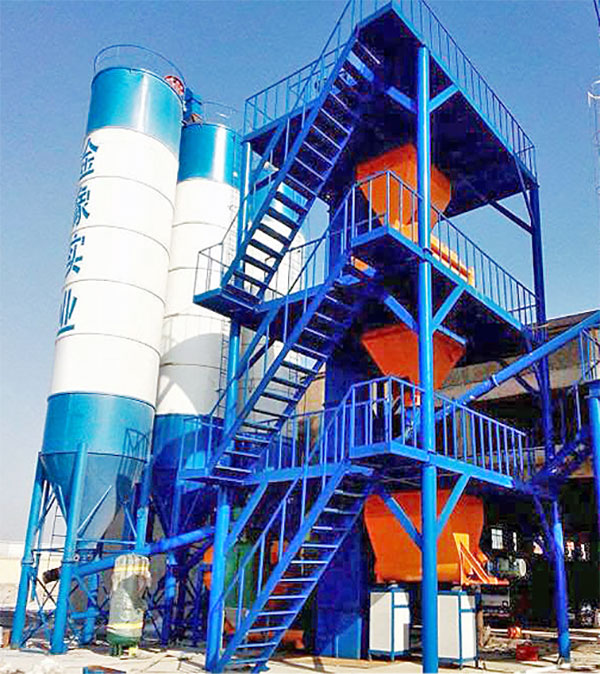
Comment fonctionne une usine de fabrication de colle à carrelage?
FAQs For Tile Adhesive Manufacturing Plant
Oui. FUREIN provides installation and commissioning support for tile adhesive production lines and other dry mortar equipment.
We provide installation drawings, equipment instructions and operator training. For projects that require on-site support, FUREIN engineers can also travel to the customer's country to guide the tile adhesive plant installation and commissioning.
After the production line starts running, we can continue to provide technical support, spare parts and equipment operation guidance when needed.
Oui. FUREIN can provide a complete tile adhesive plant layout and turnkey production line design.
After confirming your target products, capacité requise, matières premières, factory dimensions and automation requirements, our engineers can prepare the production process, equipment configuration and plant layout for your reference.
Our turnkey tile adhesive production line solution can cover plant design, equipment manufacturing, installation guidance and commissioning support.
You only need to tell us your basic project requirements, and we can work through the remaining technical details step by step.
The right tile adhesive production line automation level should be selected according to production capacity, coût du travail, number of formulas and investment budget.
For a small tile adhesive plant, manual additive feeding combined with automatic mixing and packing may already be enough.
For a medium or large automatic tile adhesive manufacturing plant, automatic raw material weighing, additive dosing, mélange, packing and PLC recipe control can reduce manual work and improve production consistency.
We do not recommend unnecessary automation. The goal is to choose a tile adhesive plant configuration that matches your real production needs and avoids over-investment.
For most automatic tile adhesive production lines, we normally recommend a double-shaft paddle mixer, also called a double-shaft gravity-free mixer.
The double-shaft mixer provides fast mixing, good mixing uniformity and short discharge time, making it suitable for most standard tile adhesive formulations.
If the material has special characteristics, such as higher viscosity, fibers or a need for stronger dispersion, a ploughshare mixer for tile adhesive production may be a better choice.
The final mixer selection should be based on the tile adhesive formula and material characteristics, not only on production capacity.
Oui. A tile adhesive production line can be equipped with an automatic chemical additive dosing system.
For a small tile adhesive manufacturing plant, the amount of cellulose ether, starch ether and other additives used in each batch is relatively small. Manual pre-weighing and feeding is usually more economical and keeps the system simple.
For a medium or large automatic tile adhesive production line, we normally recommend an automatic micro-dosing system. It can weigh and feed low-percentage additives according to the preset formula, helping reduce manual errors and improve batch consistency.
Oui. A tile adhesive manufacturing plant can normally be used to produce different dry mortar products, comme la colle à carrelage, mastic mural, skim coat, plaster mortar and some other cement-based dry powder products.
The exact dry mortar production line configuration depends on the product formula, mixer type, additive dosing method and packing requirements.
If the same production line is used for products with very different colors or formulas, cleaning between batches becomes more important. For frequent color changes, we may recommend a separate production line or a more suitable cleaning solution to reduce cross-contamination.
Whether you need a sand dryer for tile adhesive production depends mainly on the moisture of the sand.
If you buy ready-to-use dry graded sand, a sand drying system is normally not required.
If you use wet natural sand, especially when the sand moisture is higher than about 1%, we normally recommend adding a sand drying and screening line before the tile adhesive production line.
Dry and stable sand helps improve weighing accuracy, mixing stability and the overall production efficiency of the tile adhesive manufacturing plant.
The required tile adhesive plant factory space depends on the production capacity and plant layout.
A small tile adhesive production line can normally be installed in about 50 m² of space. For this type of plant, a workshop height of around 7 meters or less can usually be considered, depending on the final configuration.
A larger automatic tile adhesive manufacturing plant normally requires around 200 m² or more.
If you already have an existing workshop, FUREINE can adjust the tile adhesive plant layout according to the available length, largeur et hauteur, and prepare a more suitable equipment arrangement.
The right tile adhesive production line capacity mainly depends on your expected daily production and current sales volume.
If you are just starting a tile adhesive business, a 1–8 T/H tile adhesive production line is usually a practical choice. It requires less investment and is easier to operate.
For a medium-sized manufacturer, we normally recommend an automatic tile adhesive production line of about 10–15 T/H.
If you already have a stable local market and need to increase production, a 20–30 T/H fully automatic tile adhesive manufacturing plant can provide higher output and a higher level of automation.
Choosing the right capacity can help avoid unnecessary equipment and over-investment.
The tile adhesive manufacturing plant cost mainly depends on the production capacity, automation level and equipment configuration.
A small or semi-automatic tile adhesive production line normally costs about USD 8,000–15,000. It is suitable for customers who are just starting production or need a relatively small capacity.
For an automatic tile adhesive manufacturing plant, the price normally starts from around USD 20,000 and increases according to the required capacity, number of silos, système de dosage automatique, additive dosing system, packing machine and other optional equipment.
For a more accurate tile adhesive production line price, we recommend confirming your required capacity and product first, and then preparing the equipment configuration.
Planning a Tile Adhesive Manufacturing Plant?
Dites-nous vos produits cibles, capacité requise, raw materials and factory conditions. We will help you prepare a suitable production process, configuration des équipements et aménagement de l'usine.
You do not need to have every technical detail ready. Start with the product and capacity, and we can work through the rest together.